Can physiotherapy help following my knee replacement surgery?
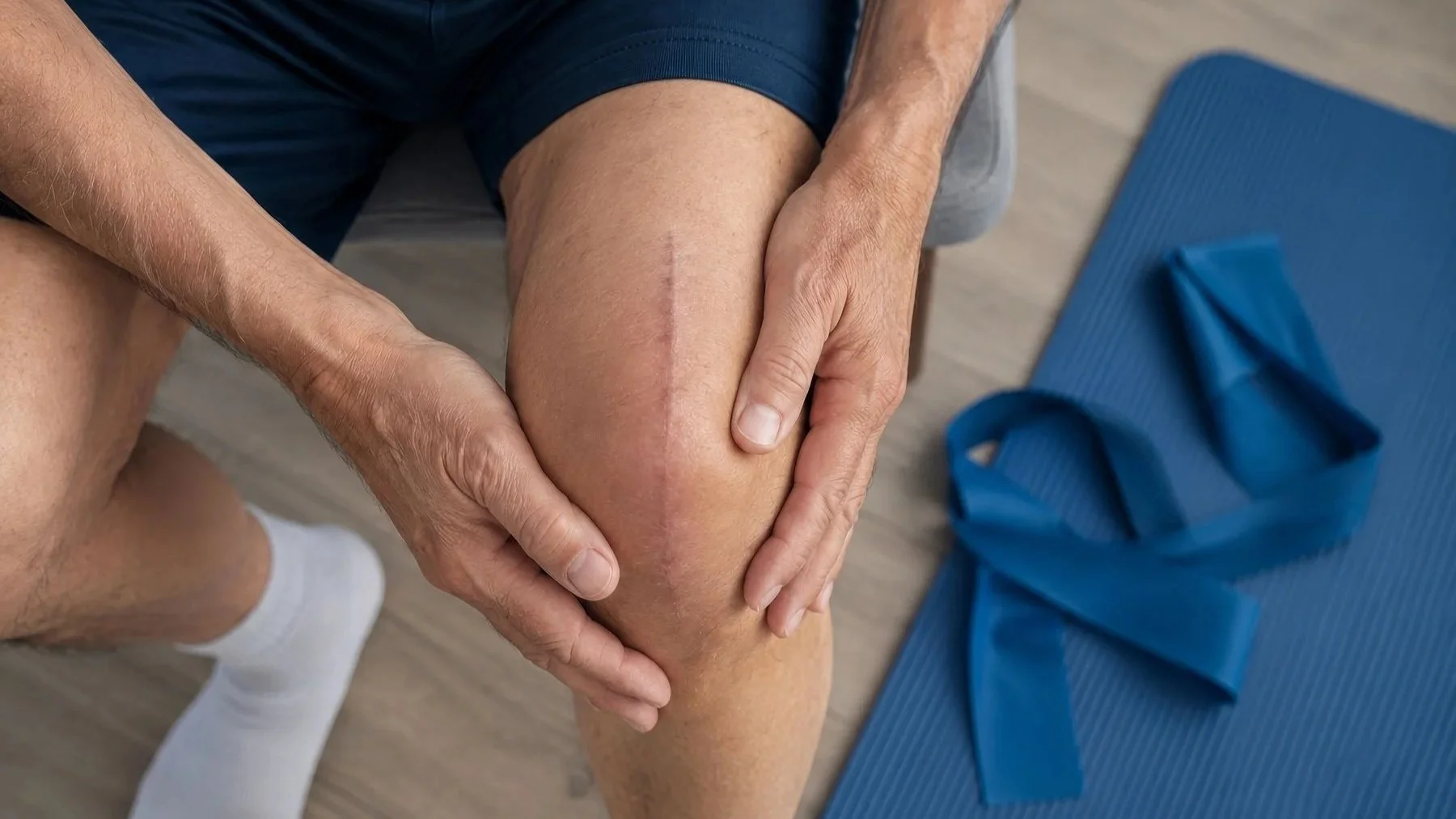
Recovering from knee replacement surgery requires a structured rehabilitation plan to restore your joint's mobility, strength, and overall function. Post-operative physiotherapy is essential to prevent complications like scar tissue buildup and joint stiffness. A physiotherapist guides you through safe exercises, manual therapy, and gait training to ensure a confident return to daily activities. By providing personalized care from the hospital bed to long-term recovery, physiotherapy ensures your new knee functions at its absolute best while minimizing chronic pain and protecting your long-term joint health.
What does a physiotherapist do after knee replacement surgery?
A physiotherapist designs a customized recovery program to restore your knee joint's movement, build muscle strength, and eliminate post-surgical pain. They guide you through targeted exercises, offer hands-on treatment, and teach you how to walk safely using assistive devices. Their primary goal is helping you regain your physical independence.
Initially, your therapist focuses on foundational milestones to ensure a safe transition from the hospital to your home. As your recovery progresses, the treatment shifts toward advanced functional movements.
Pain and swelling management: Using techniques like targeted icing, elevation planning, and compression strategies to reduce tissue inflammation.
Mobility restoration: Administering gentle, controlled movements to gradually improve your knee’s bending (flexion) and straightening (extension) capabilities.
Muscle re-education: Activating the quadriceps and hamstring muscles that often "shut down" or weaken immediately following surgical trauma.
Gait training: Correcting your walking pattern to prevent you from limping and ensuring equal weight distribution across both legs.
Why is physiotherapy important after knee replacement?
Physiotherapy is crucial because it prevents the knee joint from freezing up and stops thick scar tissue from limiting your movement. Without structured physical therapy, the muscles surrounding your new knee will weaken, leading to chronic stiffness, a permanent limp, and difficulty performing basic daily tasks.
Think of the surgical procedure as mechanical reconstruction, while physiotherapy is the software update that teaches your body how to use the new joint.
Breaking down scar tissue: Early movement prevents internal surgical scars from binding tissues together, which causes permanent stiffness.
Preventing blood clots: Early post-operative ankle and leg exercises stimulate deep blood circulation, drastically lowering the risk of Deep Vein Thrombosis (DVT).
Restoring natural joint mechanics: Ensuring your hip, knee, and ankle joints align properly when you move to protect your lower back and opposite leg.
Building long-term confidence: Providing a safe, supervised environment where you can test your physical limits without fear of damaging the implant.
When should I start physiotherapy after a knee replacement?
Physiotherapy typically begins within 24 hours after your surgery, often while you are still resting in your hospital bed. Early movement is vital to stimulate blood circulation, reduce the risk of surgical complications, and introduce your nervous system to the new artificial joint.
What exercises will a physiotherapist make me do?
Your physiotherapist will prescribe a progressive exercise routine that starts with simple muscle contractions and advances to weight-bearing movements. These movements are specifically divided into range-of-motion exercises to improve flexibility and resistance training to rebuild lost leg strength.
These exercises are carefully calibrated to match your healing tissue stage, so you never overstrain the surgical site.
How long does physiotherapy last after knee surgery?
Every patient is different and progresses at different rates. Outpatient physiotherapy typically lasts about 12 weeks, depending on your overall health and physical goals. Many people come for review once a month to ensure good progress and update their exercises. However, completely rebuilding muscle strength and achieving maximum joint flexibility requires continuing your home exercise program independently for up to a full year.
How do I manage pain during physiotherapy recovery?
Your physiotherapist will help you manage pain by using passive therapies like ice therapy, compression, and elevation alongside carefully timed activity modifications. They will coordinate with your medical team to ensure your prescribed pain medications align effectively with your active therapy sessions.
Managing pain is a collaborative effort; pushing through severe, sharp pain can actually delay your overall tissue healing.
Strategic medication timing: Taking your prescribed pain medication roughly 30 to 45 minutes before your scheduled therapy session.
Cryotherapy (Ice application): Applying ice packs wrapped in cloth for 15 to 20 minutes directly after exercises to calm irritated nerves.
Elevation techniques: Propping your leg up so your ankle rests higher than your heart to let gravity naturally drain excess fluid.
Pacing your activities: Balancing necessary therapeutic movement with dedicated periods of structured rest throughout the day to avoid flare-ups.
Contact Bramhall Physio to book an assessment and get expert help for your knee.
Our physiotherapy clinic in Bramhall is ideally located for patients in Stockport, Hazel Grove, Woodford, Poynton, Woodsmoor, Davenport, Cheadle Hulme, and Handforth. If you’d like to book an appointment or talk to a physiotherapist, we’re here to help.